As we step into 2026, sustainability has moved beyond a passing trend and firmly into the realm of lifestyle transformation. Many people are looking for ways to make their everyday routines more environmentally conscious without sacrificing convenience or efficiency. While some sustainability goals might seem obvious, such as reducing plastic use or conserving water, there are numerous creative ways to integrate eco-friendly practices into aspects of life you might not have considered before. This year offers an opportunity to explore methods that are both practical and surprising, helping to align your daily habits with a broader commitment to the planet. By approaching sustainability from a holistic perspective, you can create changes that ripple through your home, workplace, and community. From rethinking household routines to incorporating innovative technologies, the potential for reducing environmental impact is vast. Simple adjustments, like reducing waste in overlooked areas or choosing services that prioritize eco-conscious practices, can accumulate into substantial benefits over time. Moreover, these changes can also save money, improve health, and foster a greater sense of responsibility toward the world we inhabit. This guide will explore surprising, practical ways to incorporate sustainability resolutions across multiple areas of life.
From decluttering and reusing to making smarter technology choices, each section highlights a unique approach to living more sustainably. We will also touch on ways to support local businesses and professionals who help make eco-friendly living easier and more accessible. By following these tips, readers can embrace sustainability without feeling overwhelmed, making it a natural and rewarding part of daily life in 2026.
1. Transform Your Storage Spaces

Sustainability often begins with how we manage our possessions. Cluttered spaces tend to generate more waste and inefficiency, which can contribute to a higher environmental footprint. One practical approach is to periodically evaluate what you truly need, what can be donated, and what requires proper disposal. Engaging professional garage cleanout services can help streamline this process by ensuring that unwanted items are responsibly recycled or donated instead of ending up in landfills. When organizing storage areas, consider these steps: – Separate items by type for easier recycling or donation. – Repurpose containers and storage boxes instead of purchasing new ones. – Implement a system for rotating seasonal items to reduce unnecessary duplication. By incorporating these habits, you not only create more functional and aesthetically pleasing spaces but also reduce waste and resource consumption. Professional cleanout services can help ensure that even bulky or complex items are disposed of sustainably. The goal is to reduce clutter, increase efficiency, and embrace a more minimalist lifestyle that emphasizes sustainability at every step.
2. Choose Eco-Friendly Tech Repairs
Electronics are a major contributor to environmental waste, particularly when devices are discarded instead of repaired. Opting for phone repair rather than replacing devices with new ones can significantly reduce e-waste and the demand for resource-intensive manufacturing. Choosing repair services that use sustainable practices, such as refurbished components or energy-efficient operations, further enhances your environmental impact. Here are some practical ways to approach technology sustainability: – Extend the life of your electronics through regular maintenance. – Recycle old chargers and accessories responsibly. – Encourage family and friends to consider repairs before replacements. Taking the extra step to maintain and repair devices not only saves money but also aligns with a commitment to reducing electronic waste. Local repair shops often provide sustainable disposal options for outdated devices, helping you make responsible choices without compromising convenience or quality.
3. Maintain Tools for Longevity
Sharp, functional tools reduce waste by extending the usability of knives, scissors, and other household implements. Incorporating a knife sharpening service into your routine is a surprisingly impactful way to support sustainability. Maintaining tools instead of replacing them frequently minimizes unnecessary consumption of metals and other resources. Consider these practices to enhance tool longevity: – Schedule regular sharpening for kitchen and utility knives. – Store tools properly to prevent damage and wear. – Choose durable, high-quality items that require less frequent replacement. By ensuring your tools are consistently maintained, you contribute to a reduction in waste and a more sustainable home environment. Professional sharpening services provide precision care that extends the life of your implements, making this simple habit both practical and environmentally conscious.
4. Protect Plumbing Systems Efficiently

Water conservation is a cornerstone of sustainable living, and many homeowners overlook the role of plumbing maintenance in reducing water waste. Utilizing hydro jetting service for your pipes is a highly effective way to prevent blockages and maintain efficient water flow. This method not only saves water but also reduces the need for harsh chemical cleaners that can harm the environment. To maximize plumbing sustainability: – Schedule regular inspections to detect leaks early. – Avoid using chemical-heavy solutions for minor clogs. – Educate household members on water-saving habits, such as mindful showering and faucet usage. Efficient plumbing maintenance helps conserve water, reduces energy consumption, and prevents potential environmental damage from water leaks. Professional hydro jetting ensures that pipes are cleaned thoroughly without the need for replacement or excessive chemical use, making it a sustainable and practical choice for any household.
5. Make Vision Care Eco-Conscious
Sustainability extends beyond home and household items; medical and vision care practices can also adopt eco-conscious measures. Procedures like the Alcon Constellation system used in ophthalmology are designed with advanced precision, which can reduce the number of disposable instruments needed and lower overall medical waste. Choosing clinics that prioritize efficiency and responsible disposal methods contributes to a more sustainable healthcare system. Tips for eco-friendly healthcare engagement include: – Ask about the clinic’s waste management and recycling policies. – Opt for reusable medical devices when appropriate. – Encourage practices that minimize single-use disposables. By being mindful of sustainability in healthcare choices, patients can support environmentally responsible practices. High-quality systems that combine precision with resource efficiency, such as the Alcon Constellation, demonstrate how modern technology can align with ecological values without compromising patient care.
6. Green Transportation Practices
Transportation is a significant source of carbon emissions, but there are creative ways to reduce your environmental impact even within your daily commute or recreational travel. Small changes, such as carpooling, using public transportation, biking, or walking when possible, can make a measurable difference. Electric vehicles or hybrid models further reduce reliance on fossil fuels, offering a long-term sustainable solution. Additionally, incorporating alternative modes of recreation or mobility, such as cycling or pedestrian-friendly routes, can support broader environmental benefits. Community programs that encourage shared mobility or electric transportation initiatives also amplify the collective impact. By considering multiple avenues for greener travel, you can significantly reduce your carbon footprint and promote healthier, more sustainable living practices.
7. Support Eco-Friendly Recreational Options
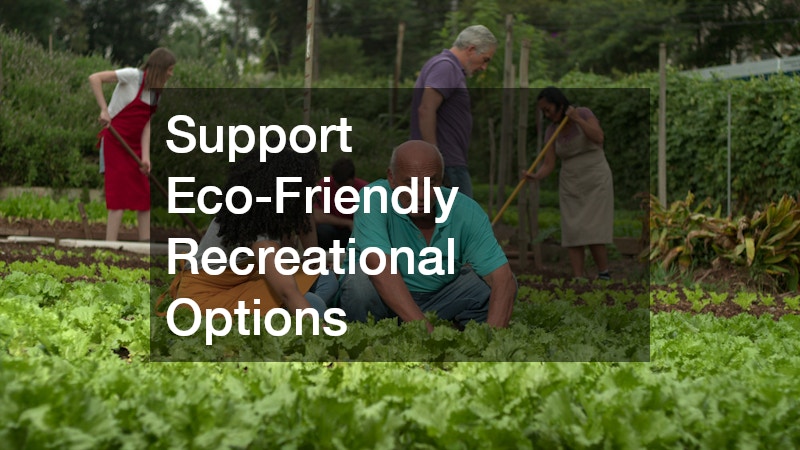
Sustainability can be integrated into leisure activities, particularly when considering recreational equipment like golf carts. Purchasing from a reputable golf carts dealer that emphasizes energy-efficient electric models helps reduce emissions compared to traditional gasoline-powered options. These choices extend beyond golf courses, influencing personal or community recreational use in a more environmentally conscious manner. Tips for sustainable recreational equipment: – Opt for electric or hybrid models. – Perform regular maintenance to maximize lifespan. – Recycle or repurpose old equipment responsibly. Choosing eco-friendly recreational options not only minimizes environmental impact but also encourages a culture of sustainability within communities. Supporting dealers that prioritize green solutions ensures that every purchase aligns with broader environmental goals while maintaining enjoyment and convenience.
8. Upgrade Home Systems Thoughtfully
Modern homes can incorporate sustainable practices through thoughtful upgrades to essential systems like heating, cooling, and plumbing. Investing in efficient plumbing solutions not only conserves water but also reduces the energy needed for heating and filtration. Regular maintenance and professional services help extend the life of these systems while minimizing unnecessary resource consumption. Key approaches include: – Regular inspections to prevent leaks or system failures. – Implementing water-saving fixtures and technologies. – Choosing high-efficiency appliances for heating, cooling, and water use. By combining professional plumbing services with strategic system upgrades, homeowners can achieve significant environmental benefits. Sustainable home management ensures long-term resource efficiency, reduced utility costs, and a lower ecological footprint without compromising comfort or performance.
9. Enhance Security with Minimal Environmental Impact
Security measures can also reflect sustainability considerations. Professional security camera installations can improve safety while reducing reliance on paper-based monitoring systems or inefficient devices. Modern digital systems are often energy-efficient, reduce unnecessary material usage, and integrate smart technology to optimize performance. Practical tips for sustainable security: – Use cameras with energy-saving modes or solar power options. – Choose high-quality systems to reduce frequent replacements. – Dispose of outdated electronics responsibly through certified recycling programs. By implementing sustainable security solutions, property owners can achieve peace of mind while minimizing their environmental footprint. Thoughtful installations reduce waste and energy consumption, supporting both safety and sustainability goals.
10. Mindful Learning Practices

Education and study routines offer unexpected opportunities for sustainability. Incorporating practices that minimize paper waste, digitalizing study materials, and using energy-efficient devices can all contribute to eco-friendly learning. Moreover, choosing study methods that emphasize reusable resources and sharing materials reduces overall environmental impact. Additionally, students and parents can focus on collaborative approaches: – Use online tools for note-sharing and collaboration. – Encourage reusing materials like notebooks and stationery. – Explore community libraries or resource-sharing networks. These small but consistent practices help cultivate a culture of sustainability from a young age, integrating environmental consciousness into everyday educational habits. Mindful learning supports broader eco-friendly living while enhancing efficiency and convenience.
11. Maintain Healthy Indoor Environments
Indoor air quality and safety are critical components of sustainable living. Engaging mold removals services when necessary ensures that indoor spaces are healthy and free from pollutants that can compromise well-being. Addressing mold promptly prevents the spread of contaminants, reduces waste from repeated renovations, and protects both the environment and personal health. Sustainable indoor practices include: – Maintaining proper ventilation and humidity control. – Promptly addressing leaks or water damage. – Using environmentally safe cleaning products. Professional mold removal services follow protocols that minimize environmental impact while protecting household occupants. These proactive measures combine health, sustainability, and responsible maintenance to create safer and more eco-conscious living spaces.
12. Incorporate Learning Support Thoughtfully
Academic support can also intersect with sustainability when approached with intentional practices. Engaging test tutors who utilize digital learning resources rather than relying solely on printed materials reduces paper consumption and promotes a more environmentally friendly approach to education. Consider these strategies for sustainable tutoring: – Utilize digital platforms for lesson delivery and feedback. – Encourage collaborative online study groups. – Opt for tutors who integrate eco-conscious teaching materials. By prioritizing digital and resource-efficient methods, students receive high-quality instruction while reducing environmental waste. Sustainable tutoring practices help foster awareness of eco-friendly choices from a young age, promoting responsible habits that extend into other areas of life. Partnering with tutors who value efficiency and sustainability ensures that learning and environmental responsibility go hand in hand.
As 2026 unfolds, sustainability need not be limited to obvious areas of daily life. By exploring creative and sometimes surprising ways to integrate eco-conscious practices, individuals can make meaningful contributions to environmental stewardship. From decluttering and maintenance to recreational choices, education, and home upgrades, opportunities for sustainable living are abundant and accessible. Each small change, when compounded over time, can lead to significant reductions in waste, energy consumption, and resource depletion, creating a more balanced and resilient environment. By incorporating services and practices that prioritize longevity, efficiency, and responsible resource management, you can extend the principles of sustainability into multiple aspects of life. Whether it’s choosing repair over replacement, maintaining tools, upgrading home systems, or using digital learning platforms, the cumulative effect of these decisions reinforces a culture of environmental responsibility.
The key is to approach sustainability thoughtfully, seeking both practical benefits and long-term ecological impact. This approach ensures that eco-conscious practices become integrated habits rather than temporary resolutions. As we continue to evolve and adapt to environmental challenges, embracing a comprehensive strategy for sustainable living allows individuals to align personal goals with broader societal and planetary needs. Incorporating eco-friendly practices in unexpected areas—from home organization and medical care to learning support and security—demonstrates that sustainability can touch every part of our daily lives. By making conscious choices and supporting professionals and services that emphasize responsible practices, individuals can lead by example, inspiring others to follow suit. Adopting these strategies in 2026 ensures that sustainability is not just a resolution but a continuous, rewarding, and impactful way of life.