In today’s rapidly evolving world, the pursuit of prolonged health and wellness has become a cornerstone of modern living. As we strive to navigate the complexities of a technologically driven society, it’s imperative that we lay a solid foundation for not only a long life but a life of quality and vibrancy. This aspiration is reflected in the multitude of options available, from comprehensive clinical services to novel wellness treatments. Our goal is to bridge traditional healing methods with innovative strategies to enhance overall well-being.
A holistic approach to health involves understanding the symbiotic relationship between physical, mental, and emotional health. This includes regular professional consultations, an emphasis on comprehensive financial coverage to ensure accessibility, and maintaining preventive care routines. Furthermore, optimizing every aspect of the medical journey—from urgent response to chronic condition management—ensures resilience against potential challenges. In this article, we’ll delve into various layers of a well-rounded health regime.
Our exploration will include the integration of oral hygiene, financial resource management, and maximizing vitality through optimized body composition and structural alignment. Additionally, the advances in aesthetic wellness and skin rejuvenation are paving new pathways for personal care and confidence. Together, these components illustrate a roadmap toward achieving exceptional longevity, underscoring both the science and art of wellness.
True vitality requires a proactive mindset that moves beyond the absence of illness toward the optimization of human potential. This means staying informed about the latest clinical breakthroughs while remaining grounded in the fundamentals of biological maintenance. By curating a team of diverse experts, individuals can transition from a passive role to an active leadership position in their own care. As we deconstruct the various pillars of modern medicine, the focus remains on personal empowerment through education. This guide serves as a strategic blueprint to help you navigate a fragmented landscape, ensuring every intervention—whether surgical, therapeutic, or aesthetic—contributes to a unified vision of health.
Establishing a Primary Foundation for Longevity
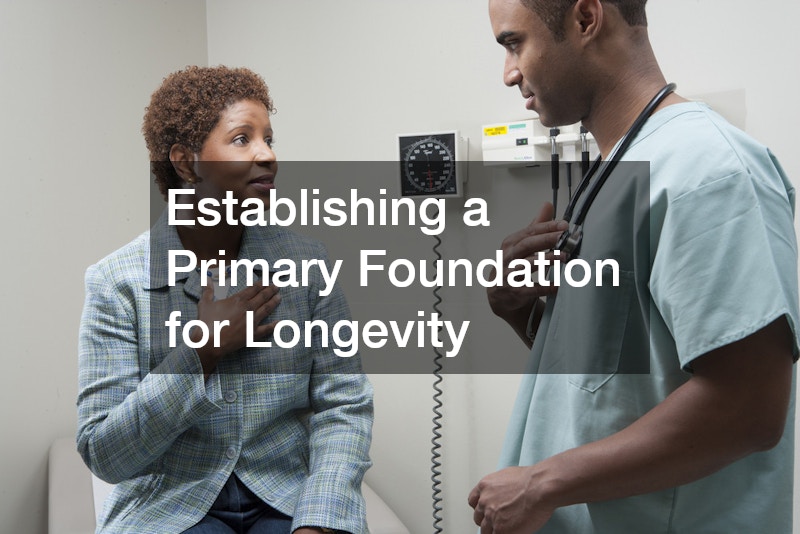
Consultation with a seasoned physician forms the backbone of any serious health strategy. Physicians not only diagnose and treat but also serve as guides in preventive health, ensuring that potential health issues are addressed before they manifest. Routine check-ups and screenings form part of this proactive approach, contributing to a comprehensive health safety net.
The healthcare system is designed to support individuals through various life stages, responding to both emerging needs and chronic conditions. This is facilitated by access to specialists who focus on areas such as cardiology, orthopedics, and endocrinology, each bringing expertise to manage specific health concerns. The collaboration among healthcare providers ensures a balanced approach to individual health needs.
Furthermore, understanding personal health history in conjunction with family medical records significantly enhances personalized care. Data-driven approaches in healthcare allow for more accurate predictions and interventions, supporting long-term health goals. As the landscape of healthcare evolves, integrating technology and compassion remains paramount to establishing a robust primary foundation for longevity.
Maximizing Your Financial Resources and Coverage
Navigating the complexities of health insurance is critical to ensuring you have adequate coverage for both routine and unexpected health needs. Health insurance policies vary greatly, with different plans offering various benefits, premiums, and coverage scopes. It’s essential to thoroughly understand your policy’s terms to avoid unexpected expenses and ensure optimal utilization of available healthcare services.
Investing in comprehensive healthcare plans that extend support beyond hospital visits to include preventive care, dental services, and mental health provisions can safeguard against large out-of-pocket costs. An informed approach to selecting insurance not only provides peace of mind but also reinforces a commitment to proactive health management. Additionally, exploring financial aid options and subsidies can further reduce the financial burden.
Utilizing available resources effectively can maximize health outcomes, ensuring that financial constraints do not impede access to necessary treatments. Collaboration with financial advisors who understand healthcare needs and insurance nuances can greatly benefit those aiming for both health and financial stability. The synergy between financial stewardship and health awareness forms a crucial aspect of a successful wellness strategy.
Immediate Response Strategies for Acute Situations
Acute health situations demand swift and effective responses, often requiring immediate intervention from an emergency health clinic. These clinics provide critical care services, ideally positioned to bridge the gap between urgent general practitioner consultations and full-scale hospital emergencies. Having a predetermined plan that includes knowledge of nearby emergency resources is beneficial in minimizing delay during critical moments.
Access to healthcare services that prioritize rapid response can significantly impact recovery outcomes. It’s vital to understand the categories of emergencies and the appropriate services to contact—whether they be urgent care facilities, on-call doctors, or emergency room interventions. Pre-registering with local facilities can expedite processes when every second counts.
Furthermore, educational programs on recognizing symptoms that require emergency intervention can enhance community awareness and individual preparedness. Such proactive measures ensure that despite proximity to clinics, individuals are empowered to make informed decisions during health crises. Ultimately, seamless coordination between prepared individuals and responsive healthcare facilities defines effective acute care strategy.
Integrating Oral Health into Systemic Wellness
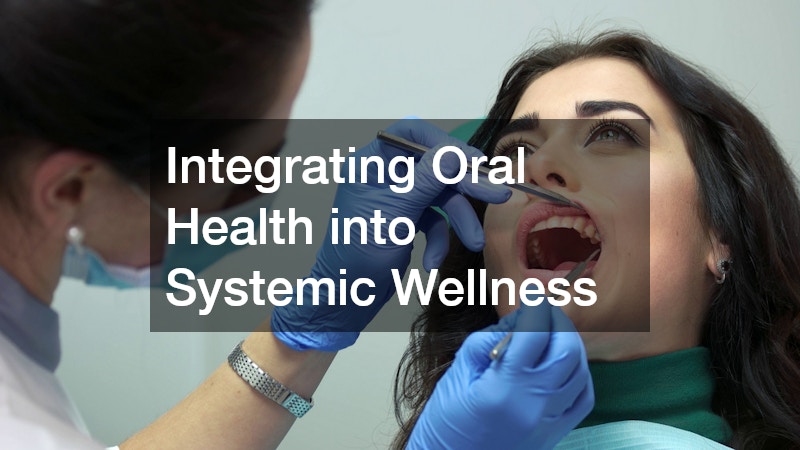
Regular visits to a local dentist play a pivotal role in maintaining oral health, which is crucial not only for aesthetic reasons but also for its systemic impact on overall health. Oral hygiene is often an indicator of broader health issues, and problems such as gum disease have been linked to heart disease and diabetes. As such, maintaining regular dental check-ups forms a key part of a proactive health maintenance plan.
Engaging in preventive healthcare dentistry can mitigate long-term health complications, emphasizing the importance of routine cleanings, flossing, and addressing cavities or gum issues promptly. The interplay between oral bacteria and systemic inflammation is an area of ongoing research, underscoring the necessity of integrating dental care into a broader health context. Awareness and education on the impact of oral health can lead to significantly better health outcomes.
Moreover, dental professionals are continually adopting new technologies, such as digital x-rays and laser treatments, to improve diagnostic accuracy and intervention efficacy. These advances, combined with a holistic approach to health, highlight the importance of engaging with dental services proactively as part of a comprehensive health strategy.
Science-Based Approaches to Body Composition
Medical weight loss programs are scientifically designed to achieve sustainable weight management, providing structured plans that go beyond simple diet and exercise. By understanding the metabolic factors that contribute to weight gain, these programs offer tailored solutions that include dietary adjustments, behavioral therapy, and sometimes medical interventions.
The efficacy of such programs lies in their personalized assessments and ongoing healthcare support, helping individuals understand their unique body composition dynamics. This is supported by healthcare professionals who monitor progress, adjusting plans based on empirical evidence. Regular check-ins with healthcare providers mitigate risks often associated with unsupervised weight loss, promoting health rather than just weight reduction.
The integration of technology in healthcare through apps and wearable devices has further enhanced the ability to track and manage body composition. These tools provide real-time feedback on physical activity, nutrition intake, and overall wellness, encouraging sustained engagement and adaptation. By adopting a science-based approach, individuals can achieve a healthier body composition as part of a lifelong wellness strategy.
Optimizing Endocrine Function and Vitality
Optimizing endocrine function encompasses a range of hormone therapies tailored to address hormonal imbalances affecting energy levels, mood, and metabolic health. The endocrine system’s role in regulating various bodily functions makes it critical to maintain a hormonal balance that supports vitality and prevents disease.
Structured healthcare programs focusing on hormonal health begin with comprehensive evaluations to ascertain current hormonal levels and identify deficiencies. These findings then guide personalized treatments, ranging from lifestyle modifications to pharmaceuticals, aimed at restoring balance and optimal function. The holistic management of endocrine health involves regular monitoring and adjustments to therapies as needed.
Advancements in bioidentical hormones have opened new avenues for individualized care, reducing side effects often associated with traditional hormone therapies. By focusing on endocrine wellness within a broader health context, patients can experience an enhanced quality of life with improved emotional and physical well-being, affirming the importance of personalized approaches to hormone health.
Enhancing Structural Alignment and Mobility

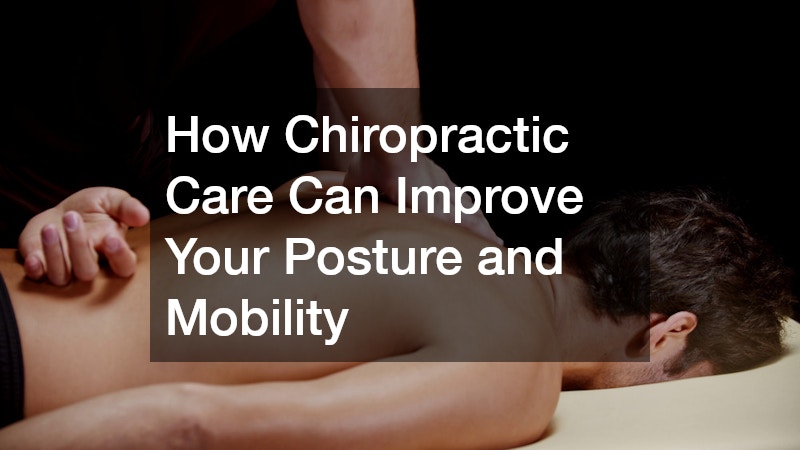
A local chiropractor can be pivotal in addressing issues of structural alignment and enhancing mobility. Chiropractic care involves the diagnosis and treatment of musculoskeletal disorders, particularly those related to the spine. Proper alignment of the spine plays a crucial role in maintaining optimal nervous system function and overall health.
Chiropractic interventions are designed to alleviate pain, improve physical function, and support recovery from injuries. Regular chiropractic adjustments can enhance joint mobility and provide relief from chronic conditions, facilitating an active lifestyle. The integrated approach to health ensures that structural issues do not impede other areas of wellness.
Healthcare experts increasingly recognize the benefits of minimally invasive techniques used by chiropractors to support systemic health. Fascial release, spinal manipulation, and posture correction are techniques that contribute to improved balance and posture. This holistic approach aids in preventing injury and preserving physical capabilities, reinforcing the body’s innate healing abilities.
Professional Standards for Aesthetic Wellness
Medical spas offer an amalgamation of medical science and beauty treatments, providing clients with enhanced aesthetic outcomes alongside therapeutic benefits. These facilities employ licensed medical practitioners to deliver services such as laser therapy, chemical peels, and injectables within a safe and sanitized environment, ensuring high standards of care.
The growth of healthcare focused on aesthetics reflects societal trends toward a holistic view of wellness that prioritizes both appearance and health. Procedures available at medical spas are informed by the latest research, ensuring practices stay aligned with evolving safety guidelines and technological advancements. The professional environment assures clients of reliable and effective treatment outcomes.
Moreover, personalized consultations help identify client goals, enabling tailored treatment plans that enhance individual aesthetic and wellness needs. The convergence of beauty and medicine empowers clients to embrace self-care practices that elevate both self-esteem and well-being, highlighting the intersection between self-improvement and health.
Advanced Techniques for Skin Rejuvenation
Microneedling treatments have gained prominence as a revolutionary approach to skin rejuvenation, leveraging the skin’s natural repair processes to improve texture and appearance. By stimulating collagen production through controlled micro-injuries, microneedling enhances skin elasticity, reduces fine lines, and minimizes scars.
The effectiveness of microneedling is amplified when used in conjunction with healthcare regimens that include proper skincare, sun protection, and nutritional support. The synergy of these elements accelerates healing and maximizes the aesthetic results, promoting a more youthful and vibrant complexion. This minimally invasive treatment option empowers individuals to proactively manage skin health through science-based interventions.
Advancements in microneedling technology continue to refine treatment precision and outcomes, enabling more personalized approaches. This popular option within medical spas illustrates how technological innovation in dermatology can deliver lasting results safely, encouraging a broader acceptance of clinical aesthetic treatments as part of integrated wellness solutions.
Coordinating Assistance During Post-Procedure Healing

After undergoing surgical or aesthetic procedures, effective home care becomes instrumental in ensuring efficient recovery and long-term outcomes. Coordinating post-procedure care involves understanding wound management, medication schedules, and the physical rest needed to support healing. Healthcare professionals often provide tailored guidelines to facilitate safe and comfortable recovery environments at home.
Incorporating professional home health services can significantly enhance recuperation. These services may include visits from nurses, physical therapists, or caregivers who assist with daily activities, helping to prevent complications and accelerate healing processes. Ensuring that recovery adheres to prescribed healthcare instructions mitigates risks and enhances patient outcomes.
Support from family and community resources complements professional care, providing a holistic approach to recovery. Open communication with healthcare providers and regular check-ins support adherence to recovery plans, ensuring that patients remain informed and the healing process progresses as intended. The integration of various support systems underscores a comprehensive approach to post-procedure well-being.
Achieving and maintaining a state of wellness requires a multifaceted approach, integrating both traditional healthcare and innovative wellness strategies. By establishing a foundation in preventive care, supported by home care and emergency preparedness, individuals can navigate health challenges with confidence. Incorporating oral health, optimizing hormonal balance, and enhancing mobility through chiropractic care exemplifies the holistic nature of health management.
The financial aspect of health, through judicious selection and utilization of health insurance, ensures that individuals are protected against unforeseen medical costs while facilitating access to essential services. Coupled with advances in aesthetic wellness approaches like those offered in a medical spa, and technical innovations such as microneedling treatments, individuals can meet their wellness goals in appearance and health.
Ultimately, the pursuit of wellness is an ongoing journey, where the integration of diverse health strategies ensures a comprehensive approach to health that prioritizes longevity, quality of life, and a harmonious balance between health and beauty. Navigating this journey with informed choices and proactive measures underpins a resilient and vibrant life, celebrating the intersection of science, care, and well-being. Article complete.