Home care nurses play a vital role in delivering quality healthcare in the comfort of one’s home. This article examines the essential services these professionals offer to promote health and well-being in home settings.
They provide personalized care, ensuring the unique needs of patients are met effectively. As healthcare evolves, home care nurses’ importance in enhancing home-based services continues to grow.
Primary Responsibilities of Home Care Nurses
Medical Assessment and Monitoring
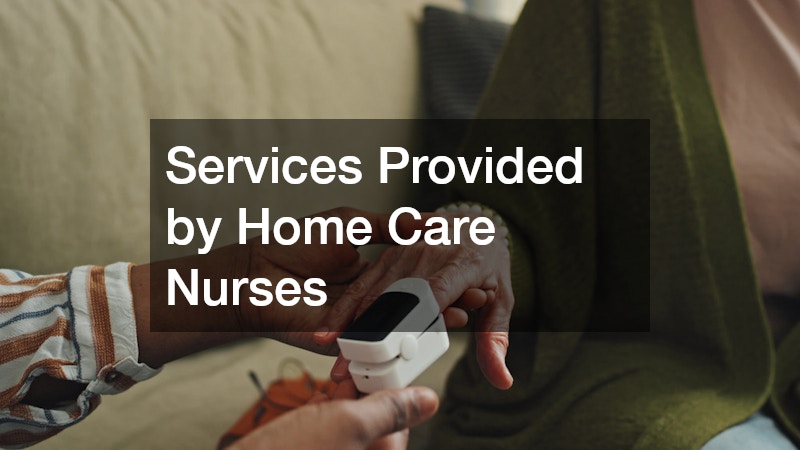
Home care nurses conduct thorough medical assessments and continuous monitoring to identify changes in patients’ health conditions. This assures families that their loved ones receive attentive care at home.
Medication Administration and Management
Nurses manage medication administration, ensuring adherence to treatment regimens while educating patients and families about potential side effects. They work with physicians to adjust medication plans as needed.
Patient Education and Support
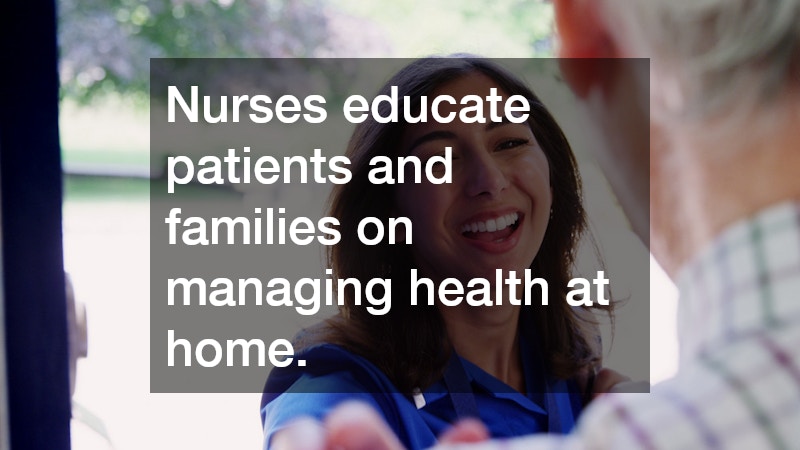
Nurses educate patients and families on managing health at home, providing instructions on disease management, preventive care, and lifestyle modifications. They offer emotional support to manage the possible stress of health conditions.
Wound Care and Dressing Changes
Home care nurses ensure proper wound care to prevent infections and promote healing, using sterile techniques for dressing changes to minimize infection risks.
Coordination with Physicians and Healthcare Providers
Nurses coordinate with healthcare teams, ensuring seamless service delivery by maintaining open communication with physicians and helping schedule appointments and manage prescriptions.
Home Care Nurses in Chronic Disease Management
Understanding Health Needs
Nurses tailor care plans based on detailed health assessments, emphasizing comprehensive monitoring and management of chronic diseases.
Managing Symptoms and Medication Regimens
Nurses oversee medication regimens and symptom management, preventing exacerbation of symptoms and maintaining consistent disease control.
Implementing Dietary and Lifestyle Changes
Nurses facilitate dietary and lifestyle modifications, educating patients on nutritional choices and exercise plans tailored to their health goals.
Preventing Hospital Readmissions
Nurses aim to prevent hospital readmissions by effectively managing care plans and providing timely interventions.
Providing Emotional Support
Nurses offer both emotional support and coping strategies to help patients navigate chronic illness challenges, engaging families in psychological support.
Home Care Nurses and Post-Surgery Recovery
Monitoring Healing Progress
Nurses monitor healing and recovery, assessing recovery progress and providing interventions as needed, in collaboration with healthcare teams.
Pain Management Techniques
Nurses manage pain with prescribed medications and non-pharmacological techniques, personalizing management plans for comfortable recovery.
Physical Therapy and Mobility Assistance
Nurses support physical rehabilitation, guiding patients through exercises to promote recovery and regain strength.
Educating on Post-Discharge Self-Care
Nurses educate patients on self-care post-discharge, including wound care and recognizing symptoms needing medical attention.
Emergency Response and Care
Nurses provide prompt emergency response, delivering immediate care and communicating with emergency services when necessary.
Home Care Nurses in End-of-Life Care
Palliative Care Services
Nurses manage symptoms, provide pain relief, and offer emotional support, tailoring interventions to meet the needs and wishes of patients and families.
Symptom Management and Pain Relief
Nurses focus on symptom management and pain relief, using a mix of pharmacological and holistic strategies to enhance comfort.
Psychosocial and Emotional Support
Nurses provide psychosocial support, fostering trusting relationships with patients and their families to address emotional needs.
Family Counseling and Guidance
Nurses guide families through end-of-life scenarios, empowering them in caregiving roles and aligning care plans with patient and family goals.
Coordination with Hospice Services
Nurses coordinate with hospice services for comprehensive end-of-life care plans, ensuring patient dignity and comfort.
Training and Certification for Home Care Nurses
Educational Requirements
Home care nurses undergo rigorous educational training to develop skills for effective patient care in diverse environments, often pursuing degrees in nursing with specialized home healthcare training.
Certification and Specializations
Nurses can pursue certifications to enhance proficiency in areas like geriatric and palliative care, allowing for targeted patient care.
Continuing Education
Nurses engage in continuing education to align with healthcare advancements, attending workshops and courses to update their knowledge.
Regulatory Standards
Nurses adhere to regulatory standards to ensure safe and competent care, with regular reviews and audits to maintain quality.
Professional Organizations
Professional organizations support nurses with resources, networking, and accreditations to reinforce quality standards in home healthcare.
By understanding their diverse responsibilities, individuals can make informed health management decisions. Home care nurses enrich patient experiences with personalized care, bridging gaps in healthcare delivery.