A healthy family environment involves much more than nutritious meals and regular exercise. The places where people live, learn, work, play, and spend time together can also influence everyday comfort and well-being. From indoor air quality and household cleanliness to outdoor spaces and the safety of nearby transportation, seemingly small environmental factors can make a meaningful difference in daily life.
Creating a healthier environment starts with paying attention to the conditions surrounding your family. A comfortable home can support better routines, while a clean and well-maintained property can help reduce preventable problems. Even community resources, childcare arrangements, and transportation can contribute to how easily a household manages its physical and emotional needs.

Keep Indoor Air Clean And Comfortable
Indoor air quality is an important part of a healthy home. Families can spend many hours indoors, especially during periods of extreme heat or cold, so ventilation and cleanliness matter. Dust, pet dander, household chemicals, smoke, and other airborne particles can affect the overall comfort of a living space.
Regular cleaning can help limit the buildup of dust and allergens. Vacuuming carpets, washing bedding, cleaning upholstery, and changing air filters according to the manufacturer’s recommendations are simple steps that can make indoor spaces more comfortable.
Ventilation also deserves attention. Using exhaust fans in kitchens and bathrooms can help move moisture and odors out of the home. Opening windows when outdoor conditions allow can also introduce fresh air, although families should consider outdoor air quality before doing so.
Moisture control is particularly important. Persistent dampness can contribute to mold growth and unpleasant odors. Leaks, condensation, and areas where water collects should be addressed rather than ignored. Maintaining plumbing, roofing, and drainage systems can help protect the interior environment.
Maintain A Clean And Pest-Free Home
Household pests can affect more than the appearance of a property. Insects may contaminate food, damage household materials, and create an uncomfortable environment. Families should store food properly, clean spills promptly, and avoid leaving standing water or accessible food sources around the home.
Small pest problems are sometimes easier to address when they are caught early. If ants begin appearing throughout a kitchen or other areas of the house, an ant exterminator can identify potential entry points and determine an appropriate treatment strategy.
Prevention is equally valuable. Sealing cracks around windows, doors, foundations, and utility openings can make it more difficult for insects to enter. Keeping vegetation trimmed away from exterior walls can also reduce some opportunities for pests to reach the home.
A clean home does not have to mean a spotless home. Families have different schedules, children create messes, and everyday life can be unpredictable. The goal is to maintain reasonable cleanliness while addressing conditions that could affect health, safety, or comfort.
Create Healthy Spaces For Children
Children experience their environments differently as they grow. A home should provide opportunities for safe play, rest, learning, and family interaction. Keeping floors and play areas reasonably clear can reduce trip hazards while giving children room to move.
Families with young children may also spend considerable time evaluating environments outside the home. A local toddler preschool can provide a structured setting where young children can learn, socialize, and participate in age-appropriate activities.
At home, parents can support healthy development by creating spaces that encourage movement and exploration. Outdoor play areas, reading corners, art stations, and simple activity spaces can give children opportunities to develop different skills without requiring an elaborate setup.
Safety should remain part of the equation. Furniture should be stable, cleaning products and medications should be stored securely, and electrical outlets and cords should be addressed where necessary. As children become more independent, household safety measures may need to change with their developmental stage.
Make Home Improvements With Health In Mind
A growing family may eventually need more space. Renovating or expanding a home can improve functionality, but construction projects should be approached thoughtfully.
When families work with home addition contractors, they can consider how a new room or expanded living area will affect ventilation, lighting, accessibility, storage, and everyday routines. A well-planned addition can create a dedicated bedroom, playroom, office, or gathering area without forcing the family to relocate.
Natural light can also influence how a space feels. Where practical, windows and thoughtfully positioned lighting can make rooms feel more inviting during the day. At the same time, bedrooms should be designed with comfortable nighttime conditions in mind.
Material selection can matter as well. Families may consider durable, easy-to-clean surfaces in high-traffic areas and choose products according to manufacturer recommendations for indoor use. Construction plans should also account for dust, noise, and temporary disruptions while work is underway.
Home improvements do not always need to be major projects. Better organization, improved lighting, updated ventilation, or repairing a drafty window can sometimes make a noticeable difference in everyday comfort.
Keep Water Systems Working Properly
Water is fundamental to household health, so maintaining the systems that deliver and remove it is important. Families who rely on private wells have additional equipment to monitor compared with households connected to municipal water systems.
Routine well pump maintenance can help homeowners identify equipment problems before they become larger disruptions. Homeowners should also follow applicable recommendations for private well testing and maintenance to monitor the quality and reliability of their water supply.
Plumbing problems deserve prompt attention, too. A slow drain may seem minor, but recurring drainage issues can sometimes indicate a deeper problem. In older properties, homeowners may eventually investigate solutions such as sewer pipe lining when sewer infrastructure requires rehabilitation.
Keeping plumbing systems maintained can reduce the risk of leaks, water damage, unpleasant odors, and interruptions to household routines. It also makes it easier to identify unusual changes, such as unexplained increases in water use or recurring backups.
Families should know where their home’s main water shutoff is located. Being able to stop the water quickly during a major leak can help limit damage while professional assistance is arranged.
Pay Attention To Outdoor And Utility Conditions
The environment around a home can affect how comfortable and functional the property is. Outdoor spaces should be maintained so that walkways remain accessible and hazards such as loose branches, standing water, or damaged surfaces are addressed.
Utilities deserve attention as well. Households that rely on propane should understand their systems and follow appropriate safety and maintenance practices. Local propane services can assist with the equipment and fuel needs associated with propane systems, depending on the services available in a particular community.
Families should never ignore unusual smells, damaged equipment, or other signs of a potential utility problem. Manufacturer instructions and professional guidance should take priority when dealing with fuel-burning appliances and related equipment.
Outdoor areas can also contribute positively to family well-being. A yard, patio, balcony, or nearby park can provide opportunities to spend time outside, exercise, garden, or simply take a break from indoor routines.
Manage Household Waste Responsibly
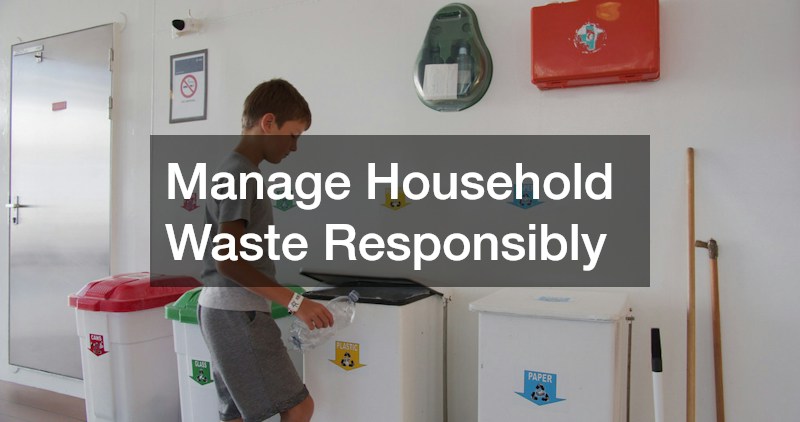
Waste management is another practical part of maintaining a healthy environment. Accumulated trash can create odors, attract pests, and make living spaces harder to maintain.
For larger household projects, local dumpster rental services can provide a convenient way to manage significant amounts of waste. This can be particularly useful during renovations, cleanouts, landscaping projects, or moves.
Proper disposal also matters for materials that should not simply be placed in ordinary household trash. Families should check local rules for hazardous materials, electronics, chemicals, and other restricted items.
Keeping garbage containers covered and removing household waste regularly can help reduce odors and discourage pests. These habits are simple, but they contribute to a cleaner and more manageable home environment.
Make Transportation A Part Of Family Safety
A family’s environment extends beyond the walls of its house. Cars and transportation are part of everyday life for many households, and vehicle condition can affect safety and peace of mind.
Routine vehicle maintenance can help identify issues before they become more serious. Families should pay attention to tires, brakes, lights, windshield condition, and other essential components.
After a collision, local auto body repairs can address damage that affects the appearance or structure of a vehicle. Vehicle owners should also follow recommendations from qualified professionals regarding repairs and safety inspections.
Safe transportation habits are equally important. Using appropriate child restraints, wearing seat belts, avoiding distracted driving, and allowing enough time for trips can all contribute to safer family routines.
For households with teenagers who are learning to drive, conversations about responsible driving can be especially useful. Establishing expectations around passengers, phones, speeding, and nighttime driving can give young drivers clearer boundaries.
Know Where To Turn When Accidents Happen
Even careful families cannot prevent every accident. Knowing how to respond when something goes wrong can make stressful situations more manageable.
If a family member experiences an injury, immediate medical attention may be appropriate depending on the circumstances. Keeping basic first-aid supplies at home and knowing how to access emergency services can help families respond promptly.
For example, if someone is bitten by a dog and legal questions arise afterward, dog bite lawyers may provide information about applicable laws and potential legal options. The appropriate process can vary depending on the jurisdiction and circumstances of the incident.
The broader lesson is that family well-being includes preparation. Having emergency contacts, important documents, insurance information, and basic household procedures organized can make unexpected situations easier to navigate.
Support Preventive Health Care
The home environment can support healthy habits, but professional health care remains an important part of family well-being. Preventive appointments can help families stay informed about age-appropriate screenings, vaccinations, dental care, and other routine needs.
Knowing where to seek care can make it easier to address concerns before they become more disruptive. Families may keep information for a local doctor office readily available along with emergency contacts and insurance details.
Healthy routines also happen at home. Regular sleep schedules, balanced meals, physical activity, hydration, and opportunities to relax can all contribute to overall well-being. Children often benefit from predictable routines that give them clear expectations for meals, bedtime, school, and recreation.
Parents and caregivers should also recognize that emotional well-being is part of a healthy household. Making time for conversations, family activities, hobbies, and quiet individual time can help create a supportive environment.
Build A Home That Supports Everyday Life
A healthy home is not necessarily the newest, largest, or most elaborate one. It is a space that works for the people who live there. That means considering cleanliness, safety, maintenance, comfort, accessibility, and the routines that make family life function smoothly.
Small improvements can add up. Repairing a leak, improving ventilation, organizing clutter, maintaining water equipment, addressing pests, or creating a safer play area can all contribute to a more comfortable environment.
Families can also look beyond their property. Schools, childcare providers, healthcare offices, parks, transportation services, and other community resources all form part of the environment in which people live.
The most useful approach is to consider the home as an interconnected system. A plumbing issue can create moisture. Moisture can affect indoor conditions. Poor organization can create safety hazards. Vehicle problems can complicate access to work, school, and appointments. Addressing these issues proactively can make everyday life more predictable.
Seasonal changes can also influence the home environment. Checking heating and cooling systems, inspecting windows and doors, cleaning gutters, and preparing outdoor areas before changing weather arrives can help families remain comfortable. These routine tasks also provide opportunities to identify small maintenance concerns before they become larger household problems.
Create A Healthier Family Environment
Your family’s health and well-being are influenced by many interconnected factors, including the condition of your home, the quality of your routines, and the environment surrounding your household. Clean indoor spaces, reliable utilities, safe transportation, appropriate childcare, preventive health care, and well-maintained outdoor areas can all contribute to a more comfortable daily experience.
No household can eliminate every potential problem, and families have different needs based on their homes, schedules, ages, and circumstances. Instead, focus on practical improvements that make your environment safer, cleaner, and easier to live in.
By paying attention to maintenance, safety, healthy routines, and the resources available in your community, you can create an environment that supports your family through everyday life and changing needs.