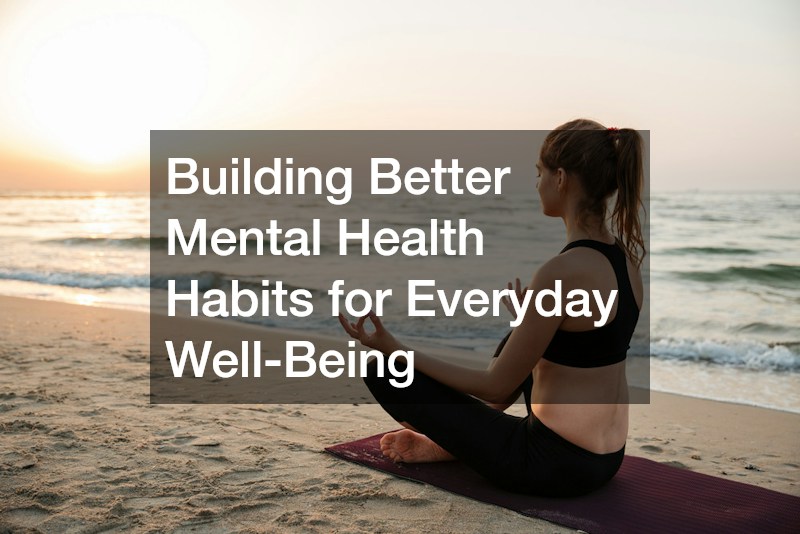
Mental health plays an important role in how people handle daily responsibilities, relationships, challenges, and changes. Just as physical health benefits from consistent care, emotional well-being can benefit from simple habits practiced regularly.
Building better mental health habits does not mean feeling positive every moment or avoiding difficult emotions. Instead, it involves creating routines that support resilience, self-awareness, healthy relationships, and a balanced lifestyle. Small adjustments can become meaningful over time, especially when they are realistic enough to maintain during busy periods. Recognizing personal needs and making time for emotional well-being can provide a strong foundation for navigating everyday life.
Create a Consistent Daily Routine
Having a basic daily routine can provide structure when life feels unpredictable or overwhelming. Regular wake-up and bedtime schedules, balanced meals, movement, work responsibilities, and periods of relaxation can help create a sense of stability. A routine does not have to account for every minute of the day. Instead, focus on a few consistent habits that make mornings, afternoons, and evenings easier to manage. Planning important tasks ahead of time can also reduce the mental effort involved in deciding what needs to happen next. At the same time, leave room for flexibility because unexpected responsibilities and changes are part of everyday life. A sustainable routine should support well-being rather than become another source of pressure.
Make Time for Quality Sleep
Sleep is closely connected with emotional well-being, concentration, energy, and the ability to manage everyday stress. Creating a calming evening routine can make it easier to transition from daytime responsibilities into rest. Consider limiting stimulating activities before bed, keeping the bedroom comfortable, and maintaining a consistent sleep schedule when possible. It can also help to give yourself enough time to wind down rather than moving directly from a demanding task into bed. If occasional restless nights occur, avoid treating them as a personal failure. Instead, focus on returning to healthy sleep habits the following evening. Persistent sleep difficulties can be worth discussing with a qualified healthcare provider.
Stay Physically Active
Physical activity can be another valuable part of a mental health routine. Movement provides an opportunity to step away from work, responsibilities, and screens while supporting overall physical health. Walking, swimming, stretching, cycling, dancing, and other activities can all provide ways to incorporate movement into the day. The most useful activity is often one that feels enjoyable and realistic enough to continue. You do not necessarily need an intense workout to benefit from getting your body moving. A short walk outside can provide a change of scenery and a chance to clear your thoughts. Building movement into everyday routines can make physical activity feel like a normal part of life rather than another obligation.
Practice Healthy Stress Management
Stress is a normal part of life, but developing healthy ways to respond to it can make difficult periods more manageable. Deep breathing, journaling, meditation, creative activities, music, time outdoors, and quiet breaks are examples of strategies people may find useful. It can also help to identify situations that repeatedly contribute to stress and consider whether any boundaries or changes are possible. Breaking a large responsibility into smaller tasks may make challenging situations feel more manageable. Everyone responds to stress differently, so it may take some experimentation to find approaches that fit your lifestyle. If stress becomes persistent or significantly interferes with daily life, seeking support can be an important next step.

Strengthen Supportive Relationships
Social connection can be an important part of maintaining emotional well-being. Spending time with friends, family members, coworkers, community groups, or other supportive people can reduce feelings of isolation and create opportunities to share experiences. Healthy relationships do not require constant communication or agreement about everything. They are built through mutual respect, honest conversations, appropriate boundaries, and reliable support. Make an effort to stay connected even when your schedule becomes busy, whether through a phone call, shared meal, walk, or casual conversation. At the same time, recognize that relationships can sometimes contribute to stress. Setting reasonable boundaries can help protect your time and emotional energy.
Pay Attention to Your Emotional Needs
Self-awareness is another useful mental health habit. Taking a few moments to notice how you are feeling can help you recognize patterns before they become overwhelming. Instead of immediately dismissing frustration, sadness, worry, or exhaustion, consider what may be contributing to those feelings. Keeping a journal can help identify recurring situations, while quiet reflection can provide space to think about what you need. Emotional awareness does not mean analyzing every thought or feeling. It simply means making room to acknowledge your experiences without automatically judging them. This practice can make it easier to recognize when additional support may be appropriate.
Set Healthy Boundaries
Boundaries can help people protect their time, energy, relationships, and personal priorities. This may involve learning when to say no, limiting unnecessary commitments, creating separation between work and personal time, or communicating expectations clearly. Healthy boundaries are not intended to shut people out. Instead, they can create space for relationships and responsibilities to exist without becoming overwhelming. Start with small changes that address the areas where you feel stretched too thin. Communicating boundaries respectfully and consistently can make them easier for others to understand. It is also important to recognize that boundaries may need to change as circumstances and responsibilities change.
Know When to Seek Support
Personal habits can support mental well-being, but they are not a substitute for professional care when additional help is needed. Significant or lasting changes in mood, sleep, behavior, relationships, or daily functioning may be reasons to reach out to a qualified mental health provider. Therapy and other forms of professional support can provide a private setting to discuss challenges, develop coping strategies, and work toward personal goals. Reaching out does not mean someone has failed to manage life independently. Asking for support can simply be another way of taking care of yourself. If you are experiencing a mental health crisis or are concerned about immediate safety, contact emergency services or a crisis resource in your area.
Better mental health habits are built through consistent, manageable choices rather than dramatic changes. And remember, when challenges become difficult to manage alone, professional support can provide additional guidance. Taking mental health seriously as part of everyday self-care can help create a healthier and more balanced approach to life.