
Building a sustainable approach to nutrition requires more than just fleeting willpower; it demands a strategic environment and deliberate daily choices. Staying consistent with healthy eating habits often breaks down when our surroundings and routines work against our goals. True consistency is achieved by transforming both your physical spaces and your decision-making processes. This means looking closely at how your kitchen functions, from its fundamental layout to the tools and upgrades that make meal preparation seamless. It also involves managing the less glamorous aspects of home cooking, such as handling waste and disposing of excess fats properly, which keeps your culinary space clean and efficient. Beyond the home, consistency relies on navigating external food landscapes intelligently. Whether you are selecting leaner proteins from trusted sources, packing nutritious midday meals, or making mindful choices when dining out, every action compounds. By redesigning your environment, upgrading your approach to home cooking, and learning how to avoid heavy, greasy pitfalls in commercial settings, you create a lifestyle where healthy eating becomes the path of least resistance. These foundational strategies will help you build habits that last a lifetime, ensuring your nutritional goals remain firmly within reach.
Choose Smart Dining
Dining out is often viewed as the ultimate stumbling block for maintaining a nutritious diet, but it does not have to be an all-or-nothing endeavor. The key to staying consistent is developing a mindful approach to menus rather than completely avoiding eating out. When you step outside your kitchen, you hand over control of ingredients and portion sizes, which can easily lead to consuming hidden calories. However, by learning how to scan a menu for grilled, baked, or steamed options, you can enjoy the experience without compromising your goals.
Navigating specific restaurant environments requires practical strategies, especially when visiting establishments known for comfort food. If you find yourself at a classic neighborhood family diner, the menu will likely be packed with fried items and heavy gravies. In this scenario, you can stay on track by opting for an egg white omelet with vegetables or a simple grilled chicken salad with vinaigrette on the side. Confidently communicate your dietary preferences to the staff, asking them to prepare your food with minimal butter to ensure a successful exercise in nutritional consistency.
Redesign the Layout

The physical environment where you prepare food plays an underestimated role in maintaining consistent healthy eating habits. When a kitchen is cluttered or difficult to navigate, the friction of cooking increases, making ordering processed food much more appealing. Redesigning your culinary workspace is about creating an intuitive flow where ingredients and tools are easily accessible. When you remove physical barriers to cooking, you naturally gravitate toward preparing fresh meals at home. By shaping your kitchen to support your goals, you effectively shape your future eating behaviors.
To achieve an optimal workflow, optimize the classic triangle between the sink, refrigerator, and stove to ensure unobstructed movement. If your space structurally hinders your ability to cook efficiently, consult with local kitchen remodeling contractors to discuss essential changes. These professionals can help tear down restrictive walls, install expansive islands dedicated to meal prep, or build custom pantry shelving. Even applying basic layout principles by reorganizing your counters and moving bulky appliances out of sight maximizes your usable daily workspace for healthier cooking.
Upgrade the Kitchen
Beyond spatial layout, the tools housed within your culinary space dictate the meals you can realistically prepare on a busy weeknight. Relying on outdated equipment turns cooking from an enjoyable act into a tedious chore. Upgrading your kitchen infrastructure is an investment in long-term health, as modern technology is designed to make nutritious cooking faster and more flavorful. Having access to appliances that steam, blend, or roast efficiently expands your repertoire of healthy recipes and removes the common excuse of not having the right equipment.
Implementing these upgrades ranges from purchasing countertop gadgets to undertaking a comprehensive appliance overhaul. Integrating a high-powered blender revolutionizes your mornings, while a modern air fryer achieves the satisfying crunch of fried foods using a fraction of the oil. For a substantial transformation, partnering with a kitchen remodeling company can facilitate the installation of built-in steam ovens or professional-grade induction cooktops. These high-end appliances offer precise temperature control, ensuring lean proteins and vegetables are cooked perfectly to make healthy eating the most convenient option available.
Manage Kitchen Waste

Maintaining a clean and sanitary kitchen environment is essential for fostering a consistent habit of cooking fresh meals at home. When meal preparation results in mounting piles of unmanaged waste or clogged plumbing, the psychological association with cooking becomes overwhelmingly negative. Effective waste management ensures your culinary space remains inviting day after day. Establishing clear routines for trash, recycling, and composting eliminates the chaotic aftermath of meal prep. This systematic approach makes it much more likely you will enthusiastically return to the kitchen for your next healthy meal.
Specific waste management strategies are crucial when cooking from scratch, as this generates significant organic material and cooking byproducts. Setting up a dedicated, odor-blocking compost bin allows you to responsibly dispose of vegetable peels and eggshells. Furthermore, it is vital to maintain your kitchen’s plumbing, which can easily be compromised by heavy cooking residues. Scheduling a professional grease trap service ensures that accumulated fats do not cause catastrophic plumbing backups. Proactively managing these specific waste streams guarantees your kitchen remains a pristine environment dedicated to nutritional success.
Avoid Greasy Foods
A cornerstone of any consistent healthy regimen is the deliberate reduction of heavily greasy and deep-fried foods from your daily diet. Consuming high amounts of saturated fats contributes to unwanted weight gain and triggers inflammation and long-term cardiovascular issues. Transitioning away from these heavy meals requires a conscious shift in how you view food preparation. Instead of relying on heavy oils, a sustainable approach embraces the natural tastes of fresh ingredients elevated through healthier cooking techniques. Breaking this cycle is critical for stabilizing your energy and achieving physical wellness.
To successfully eliminate heavy fats from your routine, you must become vigilant about cooking methods and handling ingredients. Baking, broiling, and steaming are excellent techniques that bring out robust flavors without submerging food in fat. When actively transitioning your kitchen away from unhealthy practices, you should clear out your pantry and responsibly dispose of old fats. Pouring used cooking oils down the sink is terrible for plumbing, so collect discarded fats in a sealed container and throw them in the solid trash to commit to cleaner food preparation.
Cook Healthy Meats
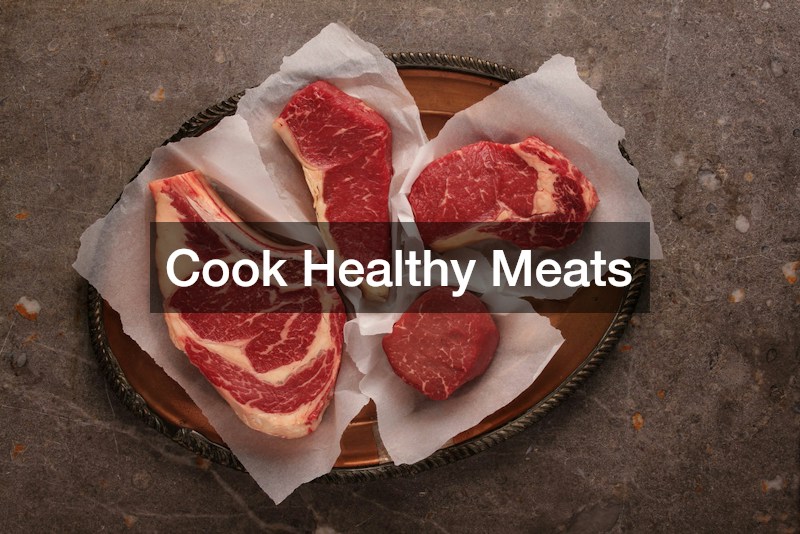
Integrating high-quality protein into your diet is vital for sustained energy, but health benefits depend heavily on preparation. Cooking healthy meats requires a shift away from deep-frying or smothering cuts in heavy, sugar-laden sauces that negate nutritional value. A consistent healthy eating habit prioritizes preparation methods that allow excess fats to render away while locking in essential moisture. Understanding the science of heat application allows you to transform basic cuts of poultry and fish into delicious, health-conscious meals that support your body rather than hiding unnecessary calories.
One of the most effective ways to prepare lean meats is through open-flame cooking, which naturally allows excess fat to drip away rather than pooling around your food. To maximize these health benefits, utilize citrus and herb marinades that tenderize the meat and reduce harmful compounds during cooking. Firing up your local grill in the backyard provides the perfect high-heat environment for searing chicken breasts or wild-caught salmon fillets. Pairing these grilled proteins with fire-roasted vegetables creates a perfectly balanced meal that aligns exactly with your dietary goals.
Skip Heavy Takeout
The modern convenience of app-based food delivery presents a significant challenge to maintaining a consistent healthy diet in today’s fast-paced world. When exhaustion sets in, the temptation to have a hot meal delivered to your doorstep is incredibly powerful. However, relying on takeout often means surrendering control over your nutrition to restaurant meals engineered with excessive sodium and sugar. Skipping heavy takeout is a fundamental requirement for anyone serious about stabilizing their weight. By proactively planning your meals, you can effectively short-circuit the impulse to order out.
Certain cuisines are particularly prone to derailing a healthy eating streak due to their reliance on refined carbohydrates and rich sauces. While a comforting bowl of pasta sounds appealing, ordering traditional italian take out often results in consuming massive portions of cheese-smothered noodles and garlic bread. To combat this specific craving, prepare much healthier alternatives in your own kitchen. Sautéing zucchini noodles or baking spaghetti squash with a homemade tomato marinara provides all the comforting flavors of your favorite dish while helping you maintain total control over nutritional intake.
Drain Excess Grease

Even when you are mindful about selecting healthier ingredients and utilizing better cooking methods, the final steps of food preparation matter immensely. Fats naturally render out of proteins during the cooking process, and leaving the food to sit in these drippings reabsorbs those unnecessary calories. Developing the automatic habit of draining excess grease from freshly cooked food is a small adjustment that yields macroscopic results over time. This simple, mechanical process reduces your intake of saturated fats, maximizing the nutritional density of your food without sacrificing satisfying textures.
Implementing this practice requires a few basic kitchen tools and a commitment to proper cleanup procedures. When browning ground turkey, always transfer the cooked meat to a colander positioned over a bowl to let the rendered fat completely drain away. For pan-seared items, resting the food briefly on a plate lined with paper towels absorbs residual surface oils. Proper cooking oil disposal dictates that you should never pour hot liquid fats down the drain; instead, let the grease cool and solidify in a disposable container before safely trashing it.
Pack Fresh Lunches
The midday meal is frequently the weak link in an otherwise solid nutritional routine, as tight deadlines force people into making rushed, unhealthy choices. When you fail to plan for lunch, you are left at the mercy of whatever fast food is within a tight radius of your workplace. Packing fresh lunches in advance is a proactive defense mechanism that guarantees access to a nutrient-dense meal. Taking control of your lunch allows you to manage your macronutrients precisely, ensuring a steady intake of clean energy through the afternoon slump.
Creating compelling, fresh lunches requires moving beyond wilted salads and embracing vibrant flavor combinations you actually look forward to eating. Invest in high-quality glass containers to keep wet ingredients separate from crisp greens. Instead of relying on heavily processed, sodium-rich meats picked up from a convenient local deli, focus on utilizing leftover grilled chicken or hard-boiled eggs as your primary protein sources. Constructing robust grain bowls with a base of quinoa, roasted vegetables, and a homemade lemon-tahini dressing provides a satisfying, restaurant-quality meal that keeps your goals on track.
Buy Leaner Cuts
Consistency in healthy eating begins long before you turn on the stove; it starts the moment you walk into the grocery store. The ingredients you choose to bring into your home dictate the nutritional boundaries of your meals for the entire week. When sourcing animal proteins, making educated decisions about fat content is crucial for managing your overall caloric intake. Selecting leaner cuts of meat allows you to bypass heavily marbled, fatty options in favor of high-quality protein. Shifting purchasing habits automatically guarantees your meals start from a healthier baseline.
Navigating the meat counter effectively means looking for specific keywords such as round or sirloin, which historically indicate the leanest portions of the animal. While pre-packaged meats in the supermarket aisles are convenient, they often lack transparency regarding exact fat percentages. For the highest quality and most precise cuts, it is highly beneficial to build a relationship with professional meat butchers in your community. These experts can custom-trim your selections, removing all visible surface fat before weighing and wrapping your purchase, which saves you both time and calories in the kitchen.
Mastering these Tips for Staying Consistent With Healthy Eating Habits requires a comprehensive approach that touches every aspect of your daily routine. Consistency is not magically achieved through sheer willpower; it is meticulously built by designing an environment and lifestyle that supports your nutritional goals. By taking the time to redesign your culinary space and upgrade your kitchen equipment, you remove the physical friction that so often deters home cooking. Furthermore, managing kitchen waste and properly disposing of excess grease ensures that your cooking environment remains clean, functional, and inviting. When you step outside your home, applying these principles means making smart, deliberate choices at dining establishments, completely skipping heavy, lethargy-inducing takeout, and prioritizing fresh, packed lunches for your busy workdays. Ultimately, the foundation of this lifestyle rests on the ingredients you choose, which is why buying leaner cuts and utilizing healthy, open-flame cooking methods are such critical skills to develop. By integrating these targeted strategies into your daily life, you transform healthy eating from a temporary, restrictive diet into a sustainable, lifelong habit that effortlessly supports your overall well-being and long-term health.